
Understanding gambling's hidden toll on mental health
The Psychological Impact of Gambling
Gambling can be an exhilarating experience, often drawing individuals in with promises of quick wins and the thrill of chance. However, this excitement can quickly transform into a psychological burden. Many people become fixated on the idea of recovering losses, leading to compulsive behaviors. This cycle can significantly affect mental health, causing anxiety and depression. It’s essential to recognize that while the initial lure of gambling may seem harmless, its underlying consequences can be profound. For example, if you’re exploring options like Katanaspin in United Kingdom, it’s vital to acknowledge these potential issues.
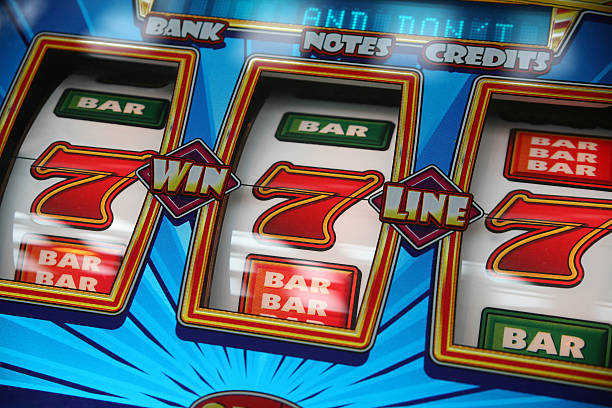
Moreover, studies have shown that gambling disorders are linked to various mental health issues. Individuals who gamble excessively often experience feelings of isolation and shame, exacerbating conditions like depression. The emotional rollercoaster associated with gambling can create a cycle of highs and lows, often leading to an increased reliance on gambling as a coping mechanism. Understanding these dynamics is crucial in comprehending the broader implications of gambling on mental well-being.
The stigma surrounding gambling addiction often prevents individuals from seeking help. Many are reluctant to admit they have a problem due to fear of judgment. This silence can worsen mental health issues, as individuals may feel trapped in their circumstances without external support. Recognizing the psychological impact of gambling is the first step towards seeking assistance and overcoming the hidden toll it takes on mental health.
The Link Between Gambling and Depression
Research has shown a strong correlation between gambling addiction and depression. Individuals who gamble excessively often report feelings of sadness, hopelessness, and a general disinterest in life. This is not merely a coincidence; the financial and emotional stress associated with gambling can lead to severe depressive episodes. When individuals continuously chase losses, they risk losing not only their money but also their self-esteem and sense of worth.
Furthermore, the loss of social connections can compound feelings of depression. Many who engage in excessive gambling may withdraw from friends and family, feeling ashamed or embarrassed about their behavior. This isolation can deepen feelings of loneliness and despair, creating a vicious cycle that is difficult to escape. Understanding the connection between gambling and depression is vital for those affected, as it highlights the need for intervention and support.
Support groups and mental health professionals can provide essential resources for those struggling with both gambling addiction and depression. By addressing the mental health aspects of gambling, individuals can begin to rebuild their lives and restore their relationships. Recovery is possible, but it requires a comprehensive understanding of the psychological toll that gambling takes on mental health.
Anxiety and Stress Related to Gambling
The anxiety stemming from gambling can be all-consuming. The anticipation of a game or a spin of the slot machine can generate a rush of adrenaline, but when the outcome is unfavorable, it can lead to overwhelming feelings of stress. This cycle can manifest in various ways, including panic attacks, insomnia, and a constant state of worry about financial stability. Individuals may find themselves trapped in a loop of anxiety, feeling that gambling is their only escape.
This stress is often compounded by societal pressures and expectations. Many individuals view gambling as a way to achieve financial success or social status. When those expectations are unmet, the resulting anxiety can become unbearable. The pressure to continually gamble in hopes of a ‘big win’ can exacerbate mental health issues, leading to a decline in overall well-being.
Moreover, individuals who struggle with anxiety may find themselves more susceptible to gambling as a coping mechanism. The temporary relief that gambling provides can quickly transform into an addictive cycle, where anxiety fuels the desire to gamble. Recognizing this relationship is crucial for finding healthier coping strategies and reducing the overall toll on mental health.
Finding effective coping mechanisms is essential for individuals struggling with the mental health effects of gambling. One productive strategy is to seek professional help. Therapy can provide a safe space to explore underlying issues related to gambling and develop healthier coping strategies. Cognitive Behavioral Therapy (CBT) has shown promising results in treating gambling addiction by addressing the thoughts and behaviors that contribute to the cycle of gambling.
Support groups can also play a significant role in recovery. Connecting with others who have experienced similar struggles fosters a sense of community and understanding. Sharing experiences can validate feelings and provide a support system that encourages accountability and personal growth. This collective approach helps individuals understand that they are not alone in their battles.
Additionally, implementing lifestyle changes can have a profound effect on mental health. Engaging in physical activity, practicing mindfulness, and cultivating hobbies can create a more balanced and fulfilling life. By redirecting focus away from gambling and towards healthier activities, individuals can reduce their reliance on gambling as a means of escape. Combining these strategies can lead to a more sustainable recovery and improved mental well-being.

Understanding Online Gambling Platforms
Online gambling platforms like KatanaSpin have made gambling more accessible than ever. While they offer an engaging gaming experience, it is crucial to recognize the potential mental health implications of easy access to gambling. With over 4,500 games available, including live dealer options, players must remain vigilant about their gambling habits. The convenience of online casinos can lead to excessive play if individuals are not mindful of their limits.
KatanaSpin and similar platforms often provide attractive welcome packages and bonuses, which can entice players to gamble more than they initially intended. This can blur the lines between casual gaming and problematic gambling. It is essential for users to set personal limits and monitor their gaming behavior to avoid falling into unhealthy patterns. Understanding the potential risks associated with online gambling is vital for maintaining mental health.
Moreover, these platforms often include resources for responsible gambling, emphasizing the importance of awareness and self-control. Players should take advantage of these resources and educate themselves about the signs of problem gambling. By doing so, they can enjoy the thrill of gaming while prioritizing their mental health and well-being, ultimately promoting a healthier relationship with gambling.